
 Afbeelding 1 van 1
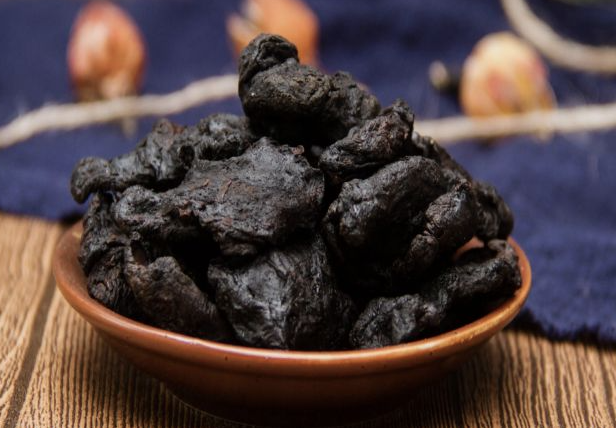
Nine-times steamed and nine-times sun-dried Polygonatum (Huangjing).
In traditional Daoist practice, the preparation of Polygonatum (Huangjing) is regarded as both a culinary art and a spiritual discipline. Revered for its nourishing and restorative qualities, Huangjing is carefully processed according to ancient methods that emphasize harmony with nature.
One of the most distinctive aspects of this preparation is the use of a traditional earthen stove, often referred to as a clay-built cooking platform. Instead of modern equipment, Daoist practitioners rely on wood-fired heating, using natural firewood to generate a steady and gentle heat. This method is believed to preserve the herb’s vital essence while infusing it with the subtle energy of the natural elements.
The process typically follows the classical principle of repeated steaming and drying, where the Huangjing is steamed over wood fire and then dried, sometimes multiple times. The use of wood as fuel creates a unique aromatic environment, and the slow, controlled steaming allows the rhizome to gradually transform—becoming softer, sweeter, and more potent.
Beyond technique, this method reflects Daoist philosophy: simplicity, patience, and alignment with the rhythms of nature. The humble earthen stove, the crackling of burning wood, and the careful attention of the practitioner all contribute to a preparation that is not only medicinal, but also deeply cultural and spiritual.
As a result, Daoist-prepared Huangjing is valued not just for its health benefits, but as a product of tradition—embodying centuries of knowledge, craftsmanship, and respect for the natural world.
Nine-times steamed and nine-times sun-dried Polygonatum (Huangjing).
In traditional Daoist practice, the preparation of Polygonatum (Huangjing) is regarded as both a culinary art and a spiritual discipline. Revered for its nourishing and restorative qualities, Huangjing is carefully processed according to ancient methods that emphasize harmony with nature.
One of the most distinctive aspects of this preparation is the use of a traditional earthen stove, often referred to as a clay-built cooking platform. Instead of modern equipment, Daoist practitioners rely on wood-fired heating, using natural firewood to generate a steady and gentle heat. This method is believed to preserve the herb’s vital essence while infusing it with the subtle energy of the natural elements.
The process typically follows the classical principle of repeated steaming and drying, where the Huangjing is steamed over wood fire and then dried, sometimes multiple times. The use of wood as fuel creates a unique aromatic environment, and the slow, controlled steaming allows the rhizome to gradually transform—becoming softer, sweeter, and more potent.
Beyond technique, this method reflects Daoist philosophy: simplicity, patience, and alignment with the rhythms of nature. The humble earthen stove, the crackling of burning wood, and the careful attention of the practitioner all contribute to a preparation that is not only medicinal, but also deeply cultural and spiritual.
As a result, Daoist-prepared Huangjing is valued not just for its health benefits, but as a product of tradition—embodying centuries of knowledge, craftsmanship, and respect for the natural world.